
News List
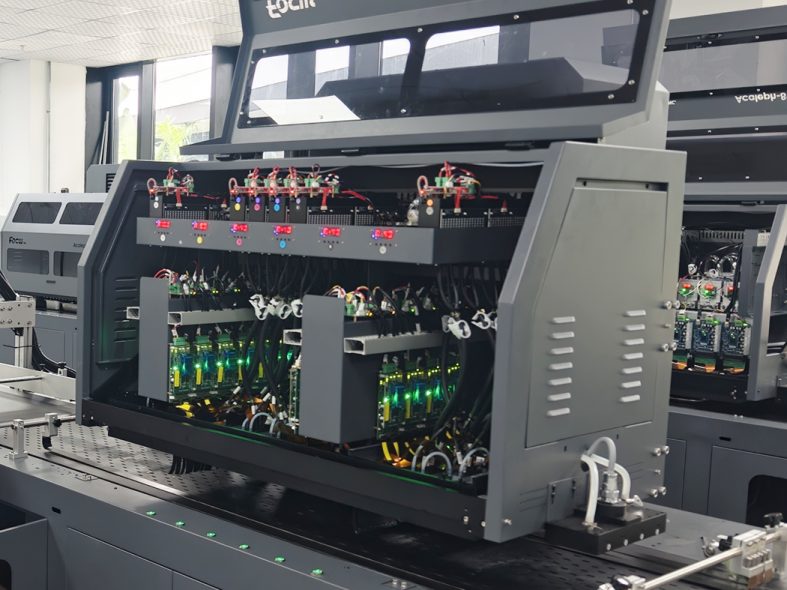
Operators often blame single-pass production defects on printer hardware. These issues include surface tackiness, incomplete deep curing, yellow discoloration and food-contact migration failures. In reality, most stem from improperly matched UV ink that customers source independently.
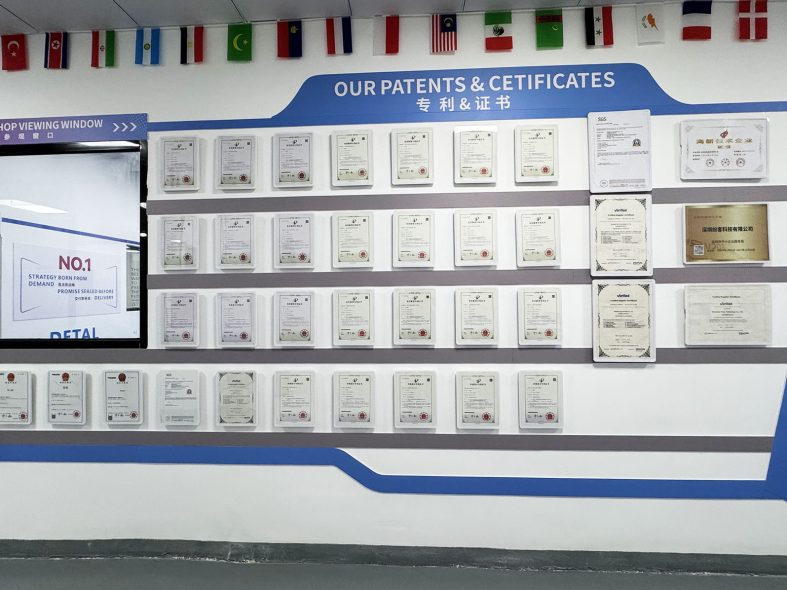
Ink matching for single-pass systems is a precise engineering process, not a generic off-the-shelf purchase. Specifically, different photoinitiator chemistries deliver vastly different performance under specific line speeds, UV-LED wavelengths and material conditions. Our in-house R&D team fully tests and validates matched ink solutions for all our single-pass printer models. This ensures stable, repeatable production results.
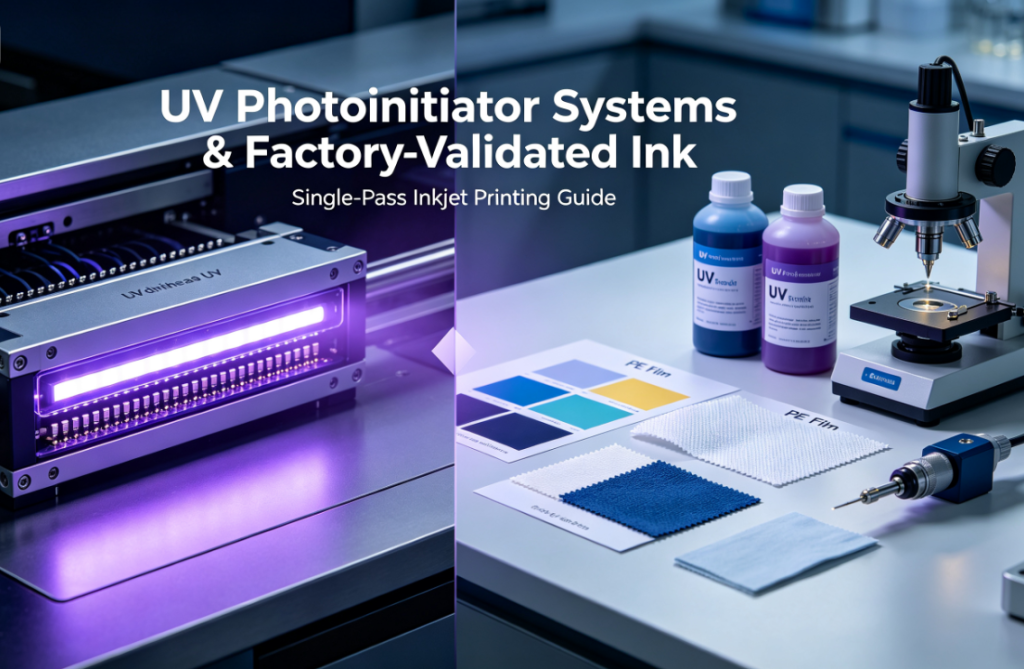
Coumarin-ketone is a self-initiating chemistry with very low migration risk, as photo-sensitive groups are chemically grafted onto polymer chains. It fits food-contact packaging and safety-critical applications, but requires precise formula tuning and co-initiator matching. Improperly sourced coumarin-based ink often fails official migration compliance tests in real production.
Acyl phosphine oxide, best known as TPO and 819, features long-wave UV absorption. It also creates a photobleaching effect, meaning UV light penetrates deeper as the initiator breaks down during reaction. Light reaches deep into thick or dark ink layers. This solves the common problem of surface-cured prints with wet bottoms. It is essential for high-opacity white ink and dark graphic jobs on single-pass lines.
α-amino ketone balances fast curing speed and low yellowing performance. It works well for white ink, transparent varnish and light-coloured packaging. Modified low-toxic grades are available for tobacco packaging and food-related projects. For ultra-thin films with extreme low-yellowing requirements, our teams also evaluate α-hydroxy ketone alternatives during formulation.
Benzophenone is a cost-efficient hydrogen-abstraction (surface-curing) initiator with excellent surface drying performance. It must work with an amine co-initiator, and carries inherent risks of migration and yellowing. For general-purpose thin-coat printing where cost is prioritized, it works well. However, it is not acceptable for food-contact packaging and light-colored transparent jobs.
This system resists oxygen polymerization inhibition well, delivering fast curing under low-temperature conditions without nitrogen protection. However, strong odor and limited storage stability restrict its large-scale adoption in mass-production piezoelectric single-pass inkjet, and it is more common in general UV coating scenarios.
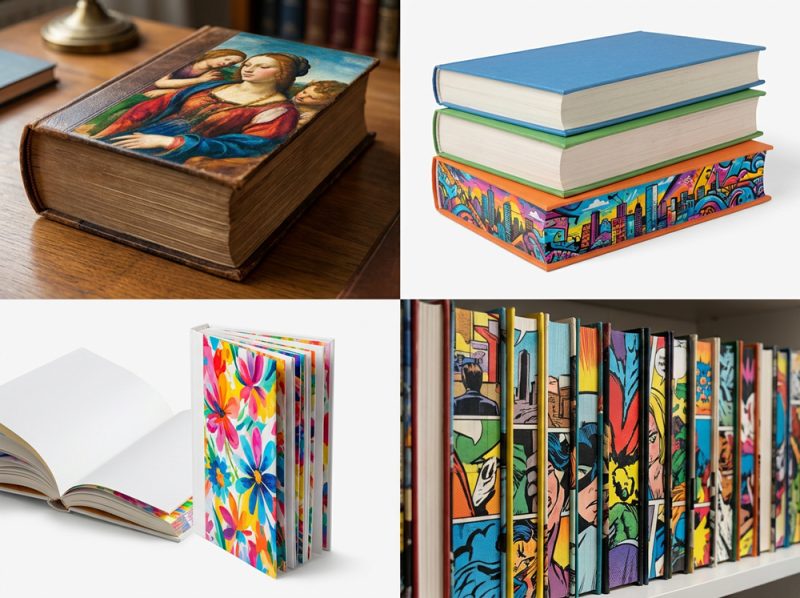
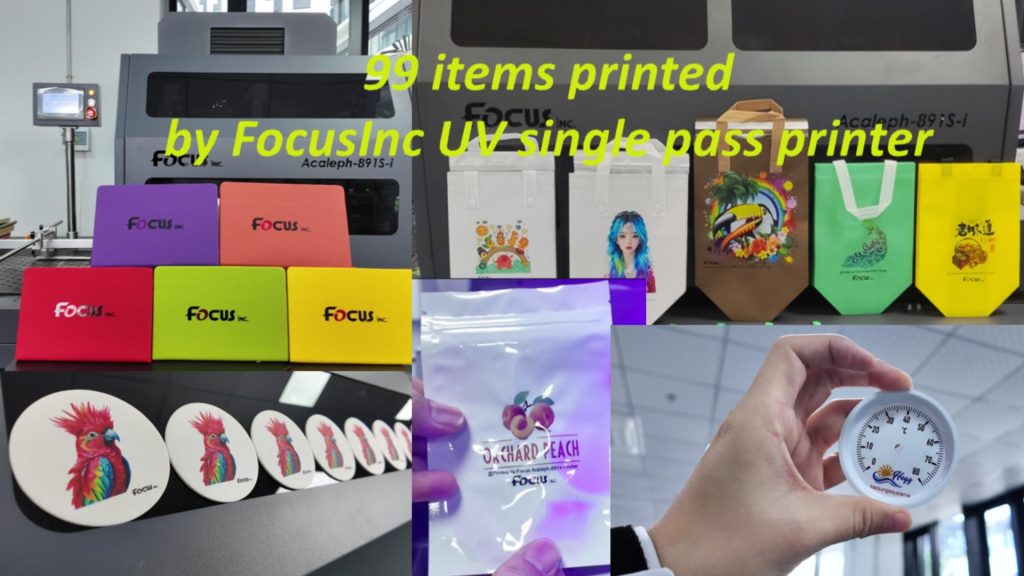
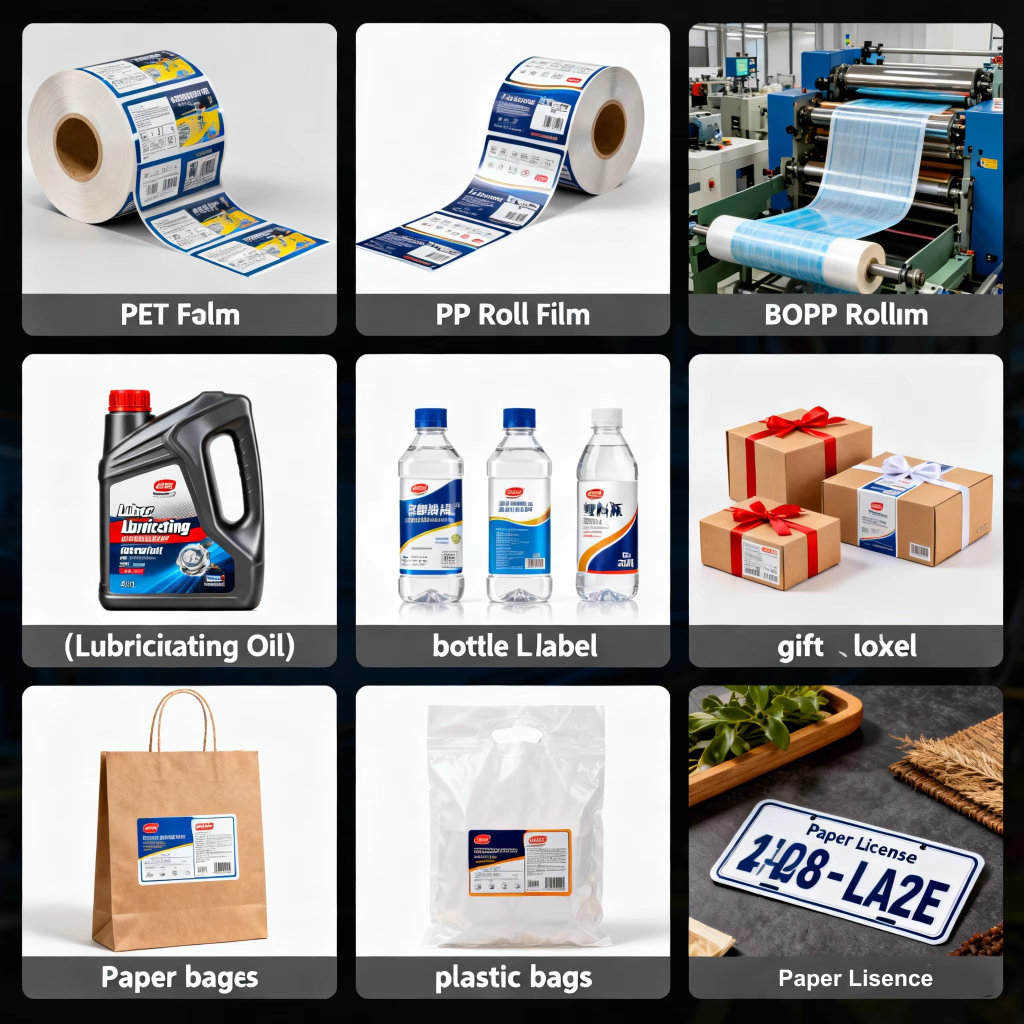
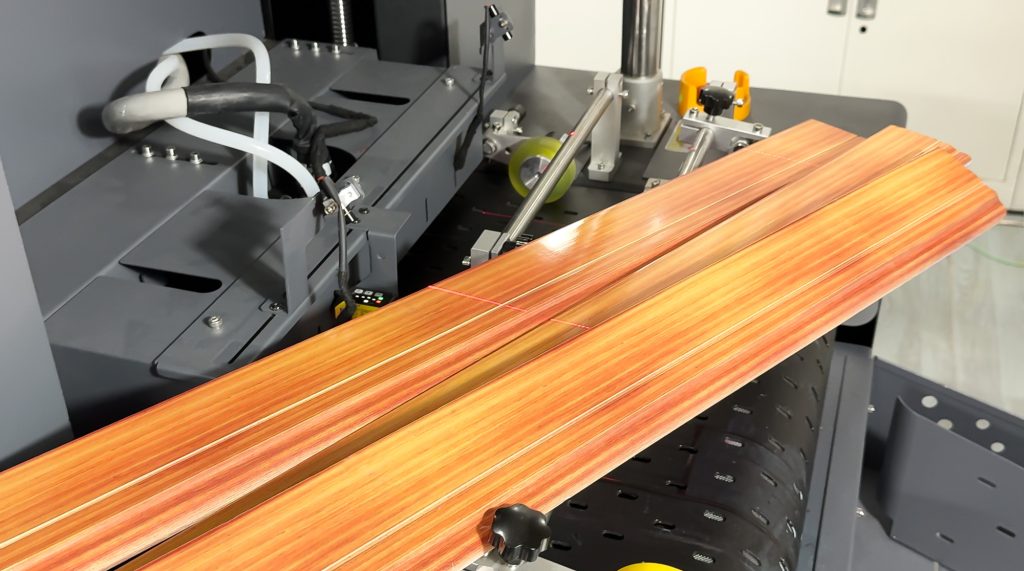
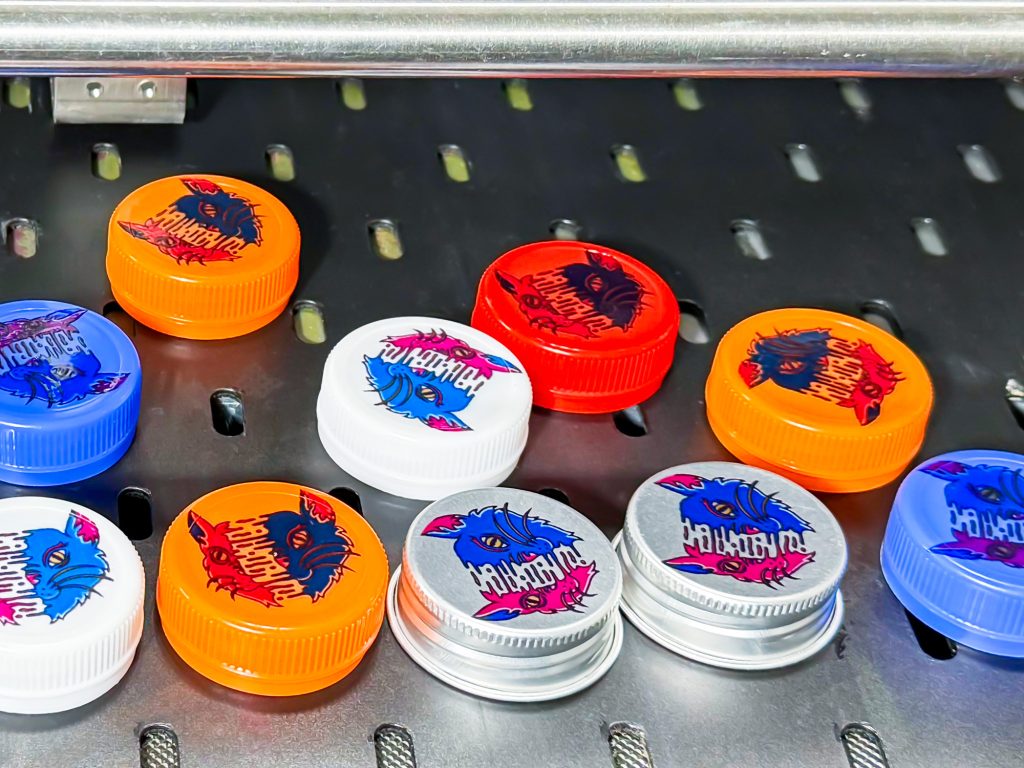
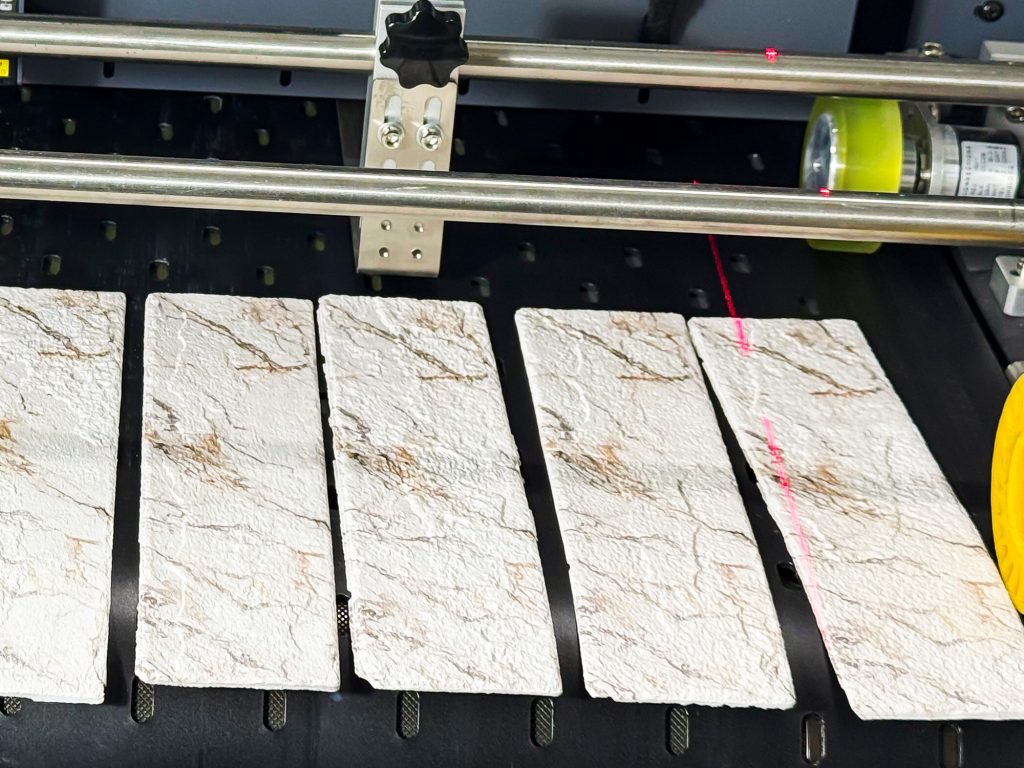
Ink matching is never a one-size-fits-all task. We tune every ink formulation to match the UV LED wavelength, rated line speed and printhead characteristics of our single-pass printers. Our R&D team has built exclusive formulas for three core application categories: flexible packaging, rigid boards and in-mold labels. We have verified these solutions on production lines at packaging plants across Europe and Southeast Asia. They cover a wide range of real-world scenarios.
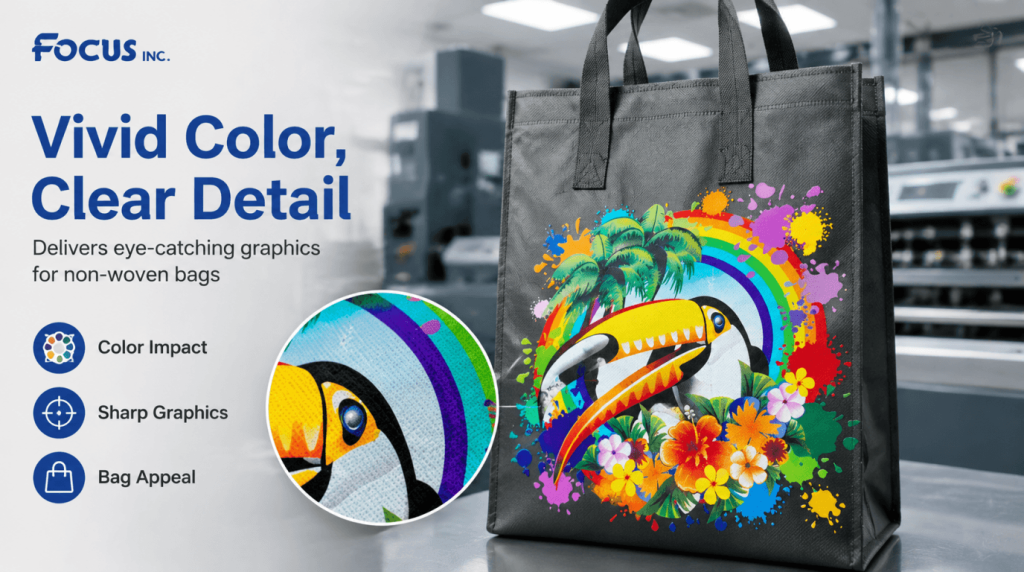
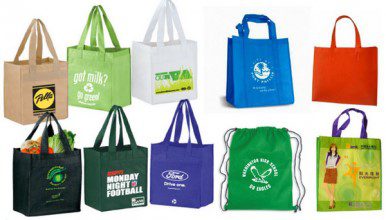
For coated non-woven bag printing, we tune dedicated formulations to ensure strong adhesion and folding resistance. They prevent ink cracking during bag forming and handling.
When it comes to pet bags, BOPP sealed bags and coffee packaging films, we deploy low-migration ink systems that meet food-contact and pet-safe standards. They deliver stable curing at full production speed.
For large woven feed bags, our tested formulas deliver excellent scratch and rub resistance. They keep ink intact on rough woven surfaces through bulk transport and handling.
Moving to rigid substrates like PVC decorative boards and PET sheets, we optimize deep-curing solutions for uniform color and strong adhesion on hard, smooth surfaces.
For high-speed roll-to-roll in-mold label printing with specific printhead configurations, we calibrate ink viscosity and curing kinetics to match line speed and UV LED parameters.
Every solution goes through full production-cycle testing in our in-house lab before delivery. As a result, it eliminates on-site trial-and-error costs, cuts material waste and prevents unexpected downtime from improperly sourced ink.
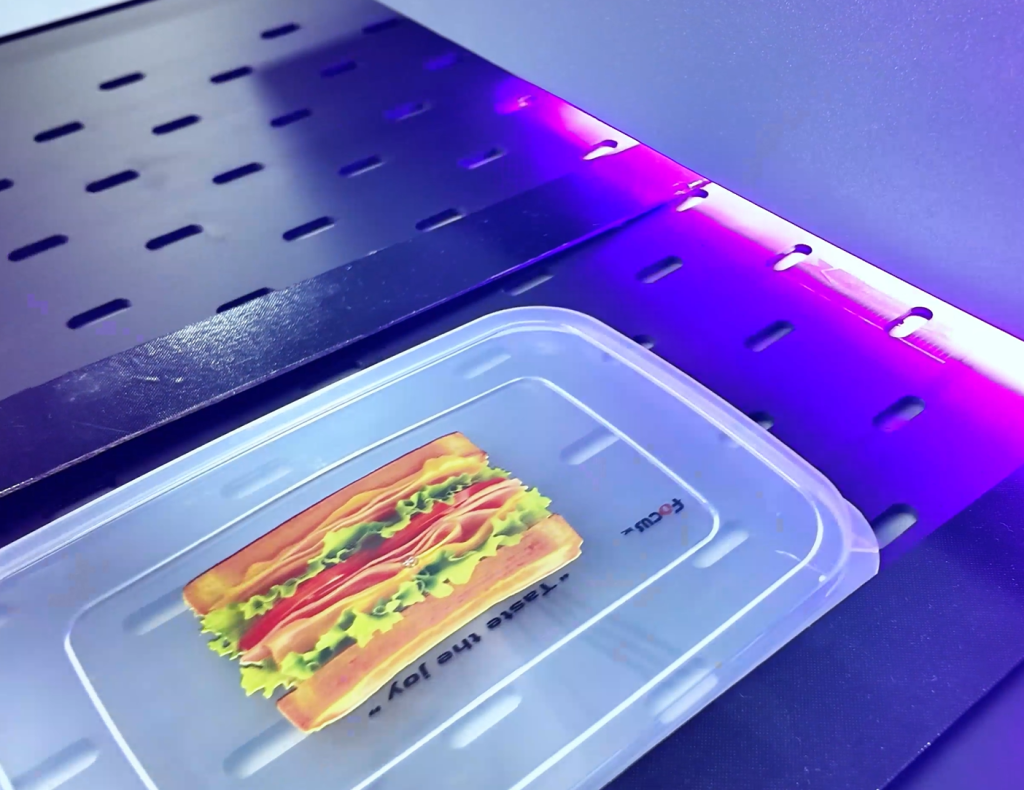
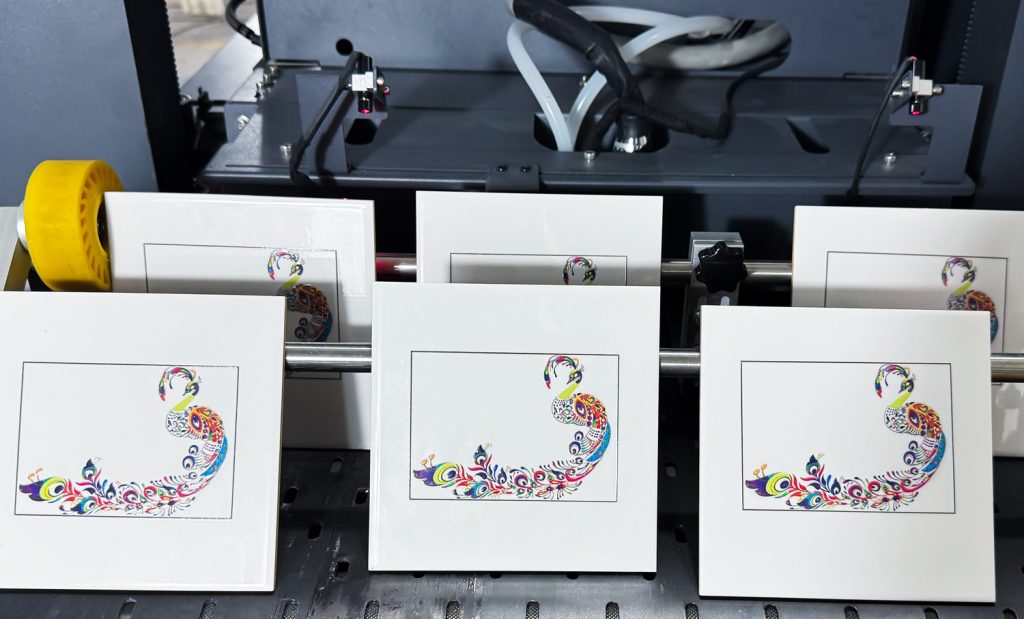
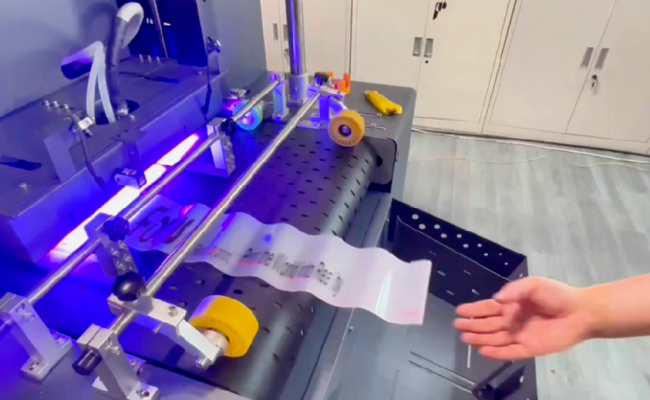
Therefore, we strongly recommend using our factory-validated matched ink solutions rather than sourcing ink independently. This avoids waveform mismatch, printhead damage and avoidable production losses. If you need an exclusive validated solution for your specific substrate and production scenario, you can contact our technical team for customized sample printing support.
Read our guide: 7 UV ink selection criteria for PE film single‑pass inkjet printing
A: We do not recommend independent ink sourcing. Mismatched ink causes waveform deviation, unstable curing, and even permanent printhead damage. Our factory-validated solutions are tested for full compatibility.
A: We have validated formulations for non-woven bags, BOPP films, coffee packaging, woven feed bags, PVC decorative boards and in-mold labels, covering most mainstream single-pass applications.
A: Our validated low-migration ink systems are tested for food-contact compliance. Self-sourced ink often fails official migration tests even if labeled food-grade.
A: Our matched formulations use acyl phosphine oxide systems calibrated to your machine’s UV setup, delivering consistent deep curing at rated production speed.
A: Curing performance is jointly decided by ink chemistry, line speed, UV-LED wavelength and lamp power. Formulations must be tuned to specific hardware parameters.


Submit Request