
News List
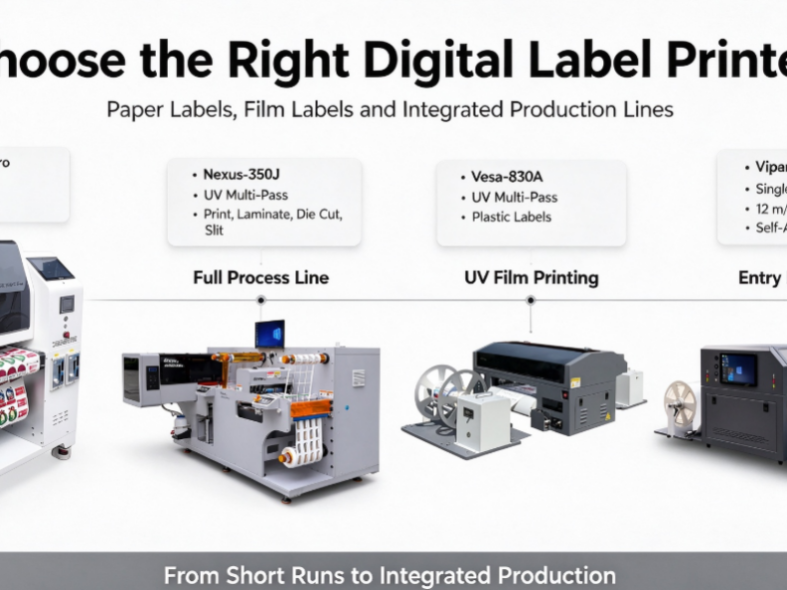
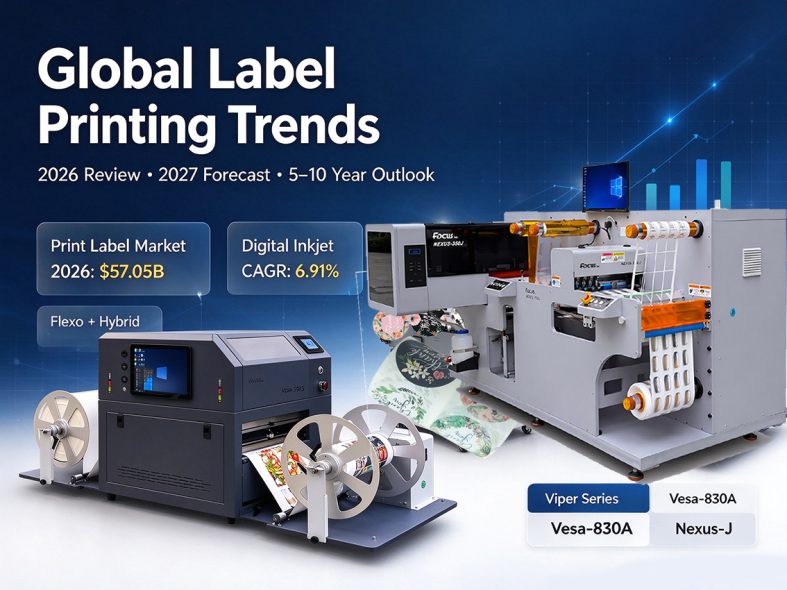
For label converters, small batch custom orders are one of the most common business challenges. Traditional flexographic presses deliver very low unit cost on large runs, but plate costs, setup labor and makeready waste make short runs uneconomical. Many shops turn away orders under a few thousand meters simply because they cannot produce them profitably.
This creates a clear gap in the market that digital label printing fills directly. By eliminating all plate and setup costs, digital changes the break-even economics of small batch label production.
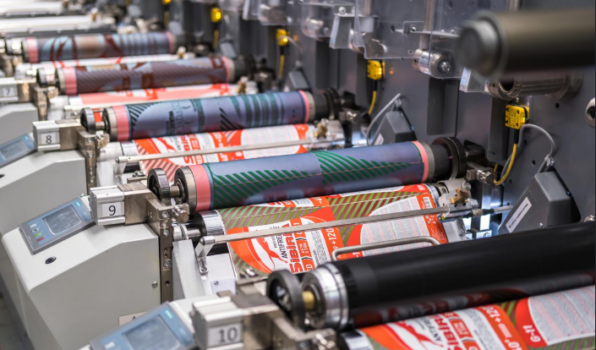
Every flexo job requires plate production, press setup, registration adjustment and test runs. These fixed costs are the same whether you run 500 meters or 50,000 meters. For very small orders, setup costs can account for more than half the total job cost.
Typical flexo setup includes 1–2 hours of press time, plate material costs and 30–50 meters of waste material per job. When you have multiple design changes per day, these costs multiply quickly.
Digital inkjet printing requires no plates and almost no setup time. Jobs load directly from digital files and production starts within minutes. There is virtually no makeready waste, and job changes happen instantly.
This means cost scales almost linearly with run length. Short runs cost proportionally less than long runs, rather than carrying a large fixed cost penalty.
The exact break-even volume depends on labor rates, plate costs and label complexity. As a general industry rule, runs below 3000–5000 linear meters are almost always cheaper to produce digitally. Above that volume, flexo gradually becomes more cost effective as its lower unit ink cost offsets the fixed setup expense.
For print shops serving many small customers with frequent design changes, digital equipment can open up an entire market segment that was previously unprofitable to serve.
Applicability boundary: Cost figures are industry reference values. Actual break-even points vary based on local labor costs, material pricing and press efficiency.
If you would like a detailed cost analysis for your typical order mix, you can contact our team for a personalized break-even calculation.
A: For most operations, digital becomes more cost effective below several thousand meters per design. Exact break-even depends on labor rates and plate costs.
A: Plate costs, setup labor and makeready waste create high fixed costs per job. These costs do not scale down for small batches.
A: No. Digital inkjet prints directly from digital files with no plate production or setup costs.
A: Yes. Different designs can run sequentially with no setup delay, making digital ideal for mixed small batch orders.



Submit Request