
News List
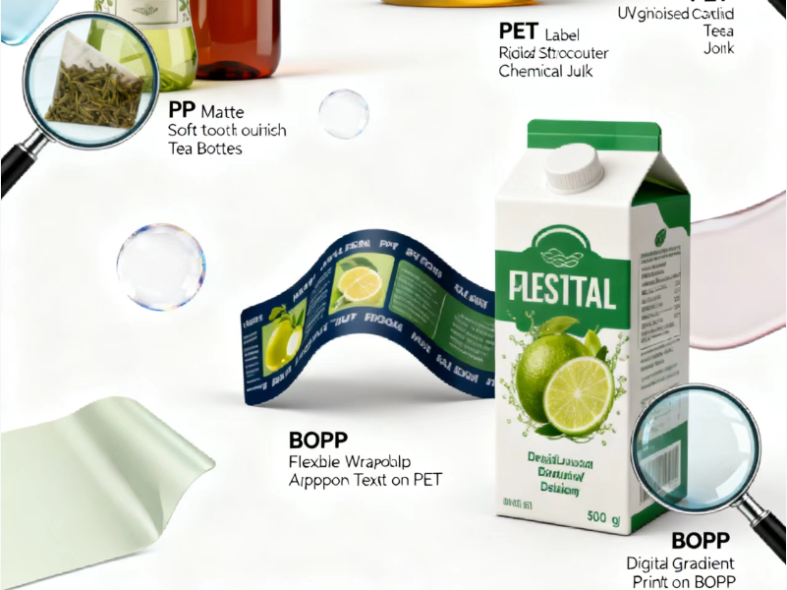
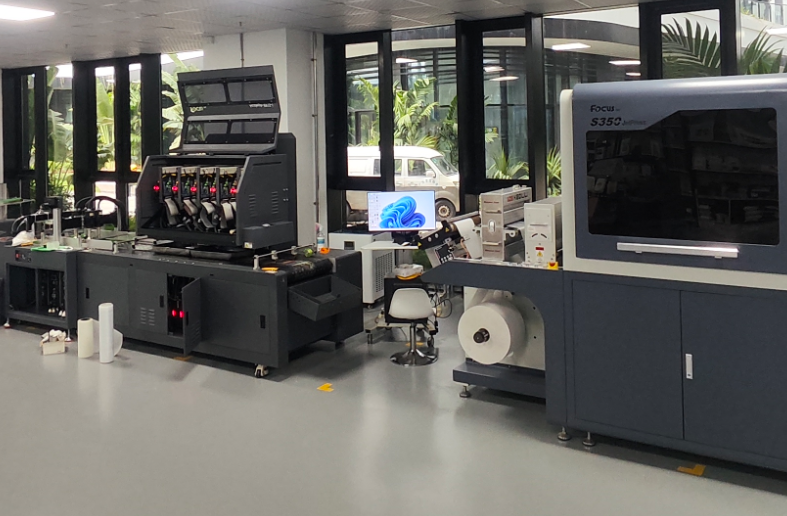
Packaging labels come in many different forms, each with unique performance requirements. Choosing the right printing technology for each label type directly affects print quality, durability and production cost. Many print shops overinvest in equipment that does not match their most common label substrates, or try to run all jobs on a single machine with mixed results.
Understanding the core label categories and their ideal printing methods helps you select equipment that matches your actual order mix.

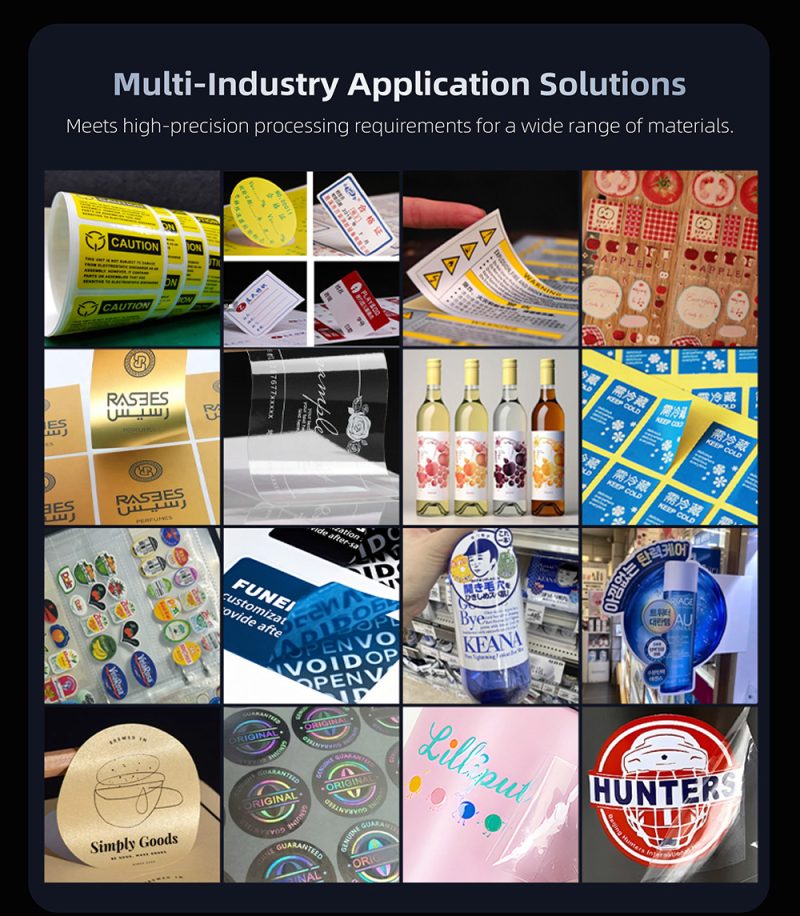

Standard paper and coated adhesive labels are the most common label type, used for food packaging, shipping, retail products and general identification. They are porous, absorbent substrates that work very well with water-based ink systems.
For high volume production, flexo is the traditional standard. For short run custom paper labels, single pass water-based inkjet systems deliver excellent quality at low setup cost with fast turnaround.
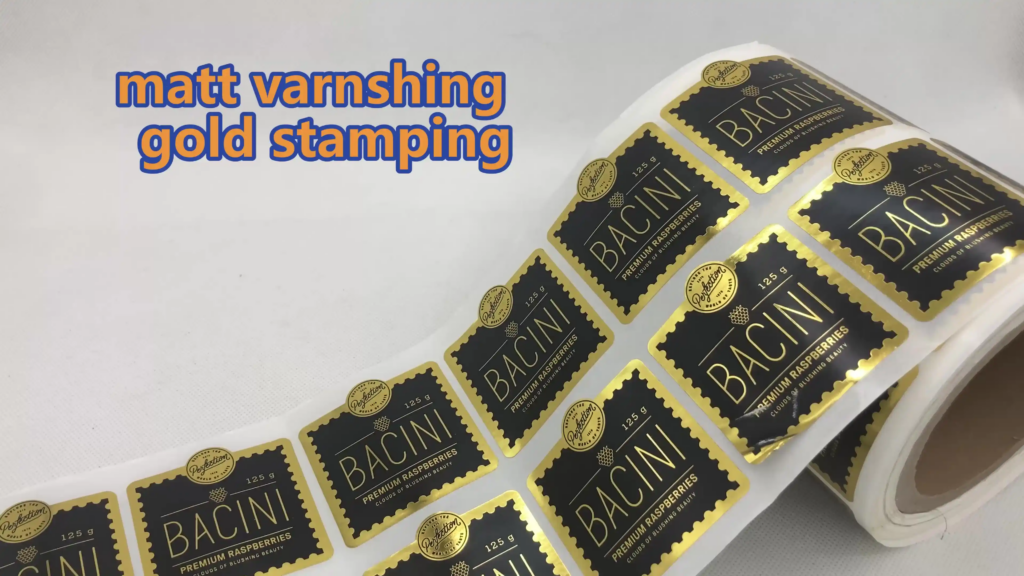
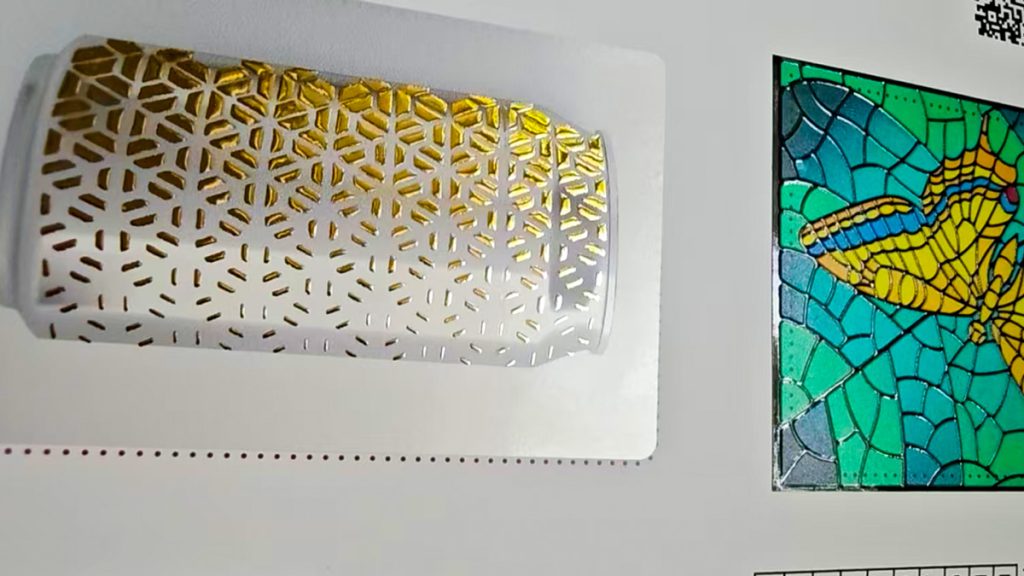
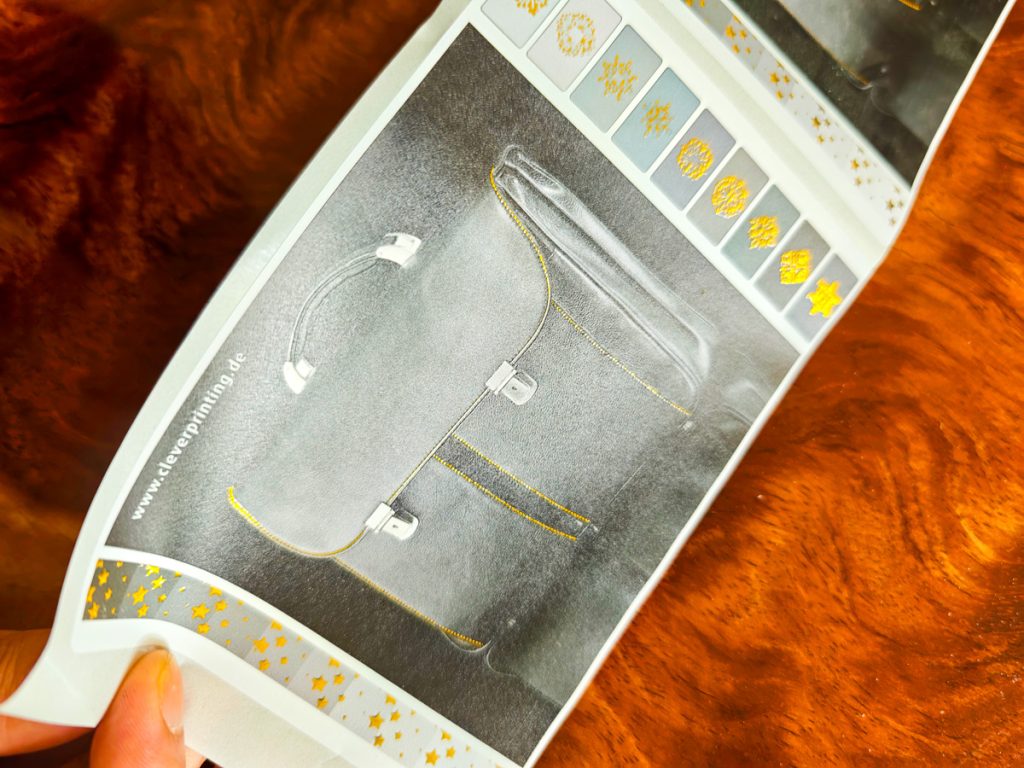
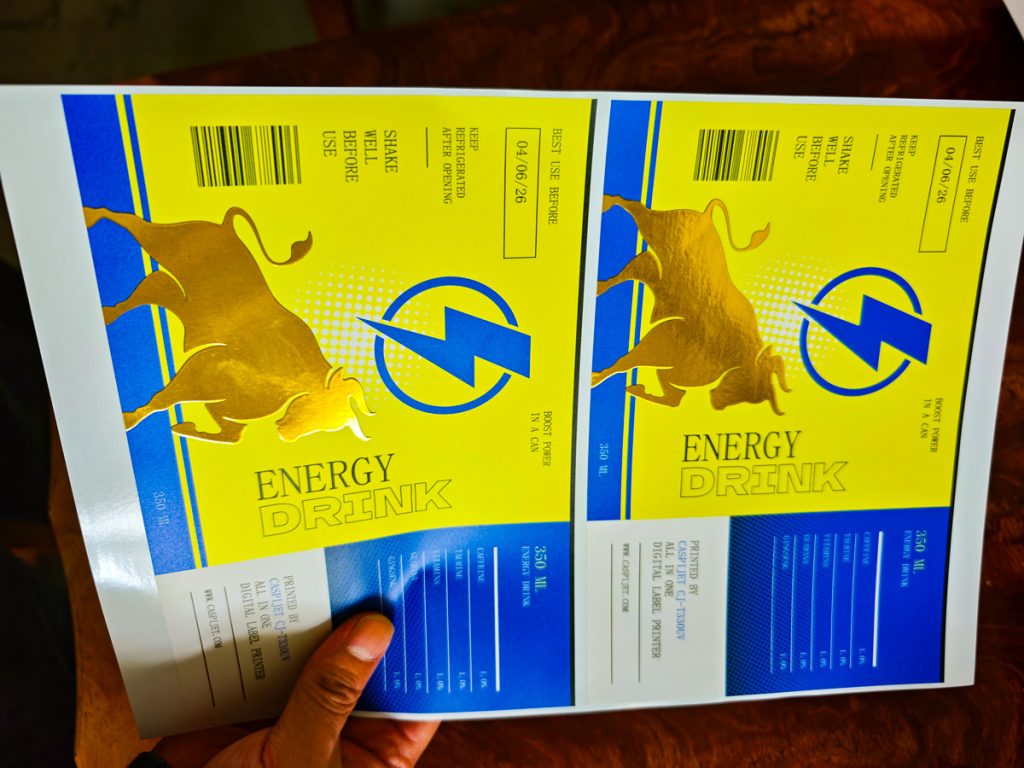
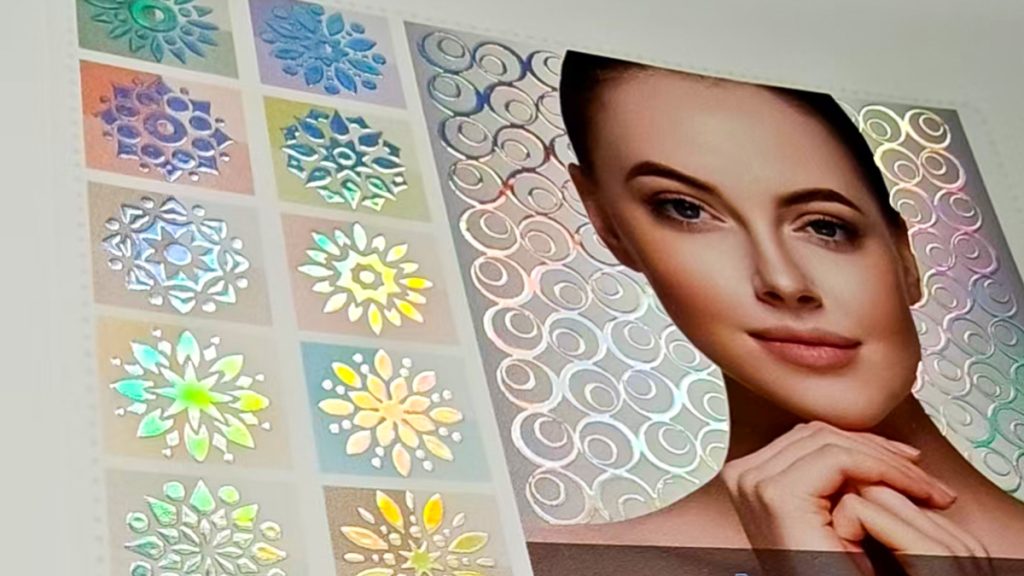
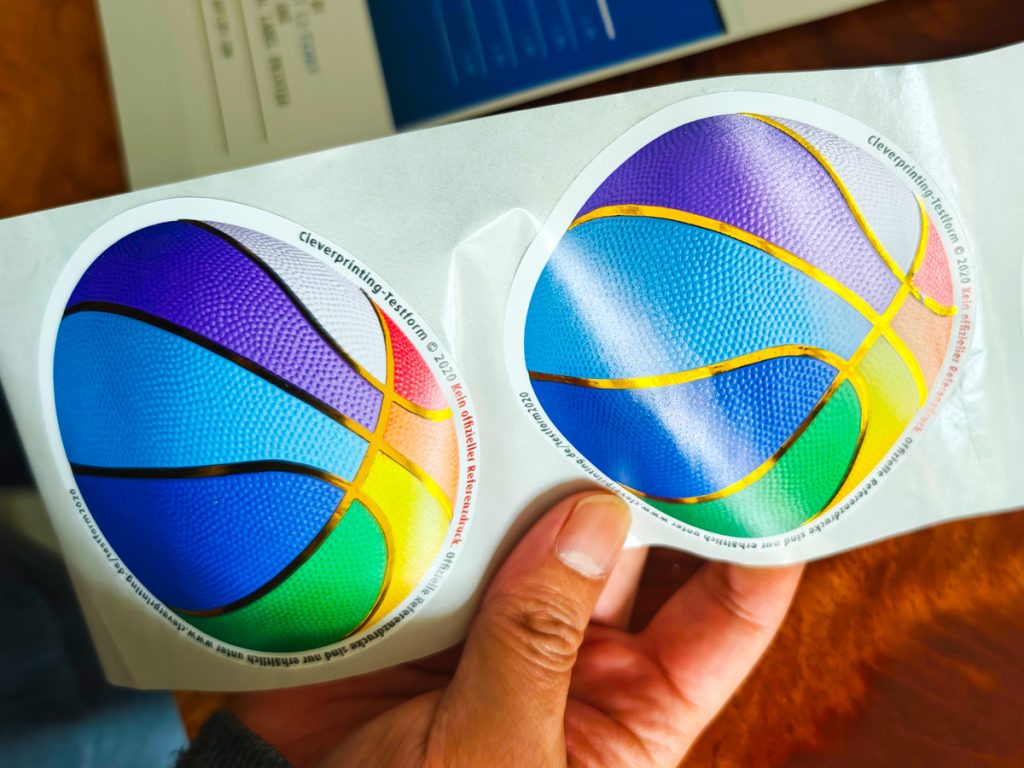
BOPP, PET and other plastic film labels are used for moisture-resistant, durable applications including beverages, cosmetics and industrial products. They are non-porous, so water-based inks do not adhere reliably.
UV curable inkjet is the standard digital solution for film labels. The ink cures instantly into a solid bonded film, delivering good adhesion and scratch resistance on non-porous surfaces.
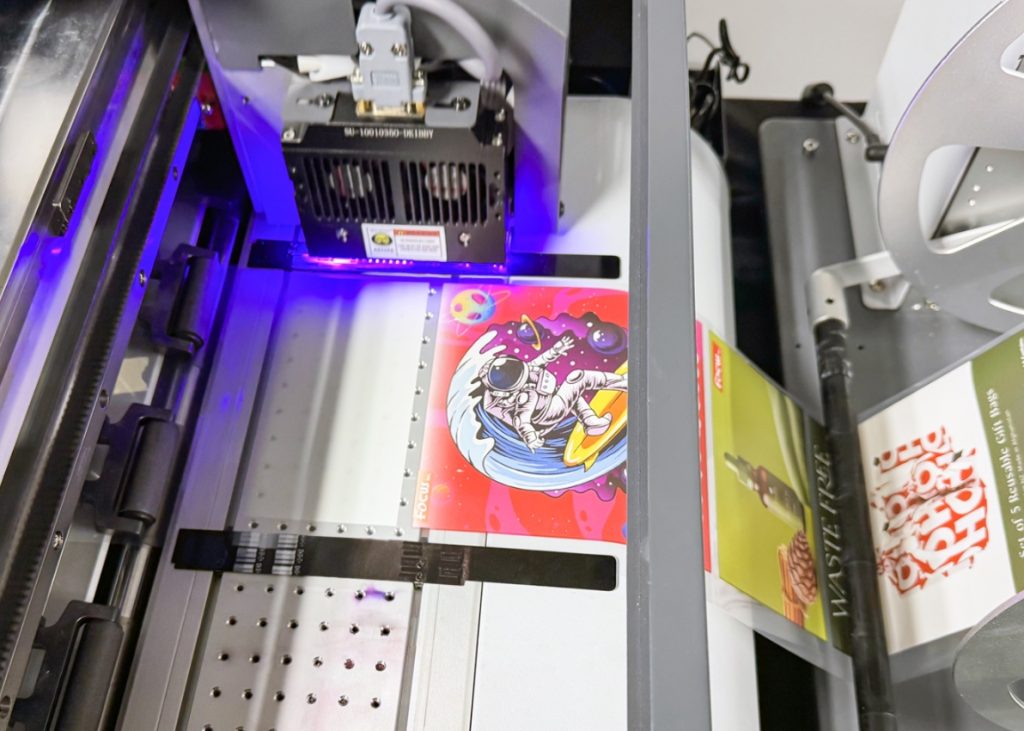
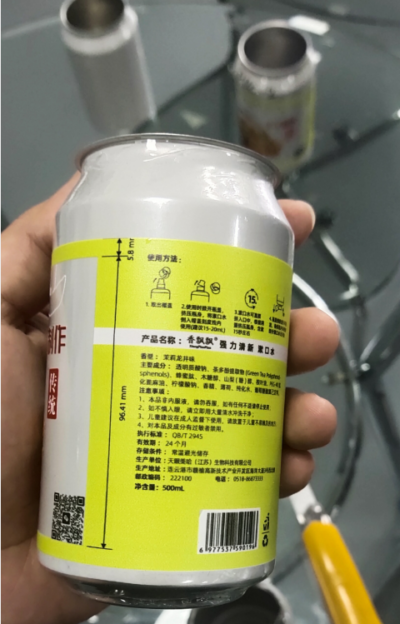
Shrink sleeves conform tightly to curved and contoured containers. They place special demands on ink performance, as the printed film must stretch significantly during heat shrinking without cracking or distorting.
UV inkjet with flexible, high-elongation ink formulations is suitable for short run shrink sleeve production. Proper tension control and curing calibration are essential to avoid registration issues and shrink failures.
Labels requiring unique barcodes, serial numbers, QR codes or traceability data need digital printing capability. These cannot be produced economically with analog processes because every label is different.
Digital inkjet systems produce full color graphics and variable data in a single pass, eliminating secondary coding operations.
Applicability boundary: Recommendations reflect general industry best practice. Specialized label applications may require additional testing and process validation.
If you need help selecting the right printer configuration for your primary label types, you can contact our technical team for application assessment and sample printing.
A: Generally no. Water-based ink does not adhere reliably to non-porous film substrates. UV curable ink is required for dependable film label printing.
A: For short run custom paper labels, single pass water-based inkjet printers offer the best balance of quality, speed and cost efficiency.
A: Yes, with specially formulated high-elongation UV ink and proper web tension control, digital inkjet produces short run shrink sleeves effectively.
A: Yes. Variable data requires digital printing capability. Traditional analog processes cannot produce unique codes and serial numbers efficiently.



Submit Request