
News List
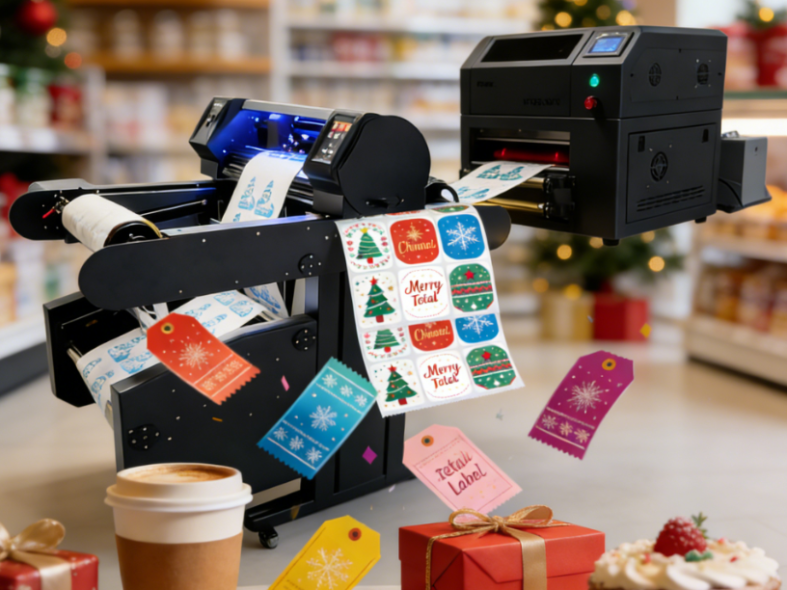
If you’re running a print shop or packaging business, you’ve faced this choice.
Do you stick with the traditional multi-step label production workflow?
Or do you switch to an all-in-one solution like the Focusinc NEXUS-350J?
The answer depends on your goals: speed, cost, quality, and flexibility.
In this guide, we break down both workflows, so you can make the best decision for your business.
Label production today follows two main paths.
The first is the multi-step workflow, which uses separate machines for each task.
The second is the all-in-one workflow, which combines every step in a single system.
Both have their pros and cons, but the gap in efficiency is growing wider.
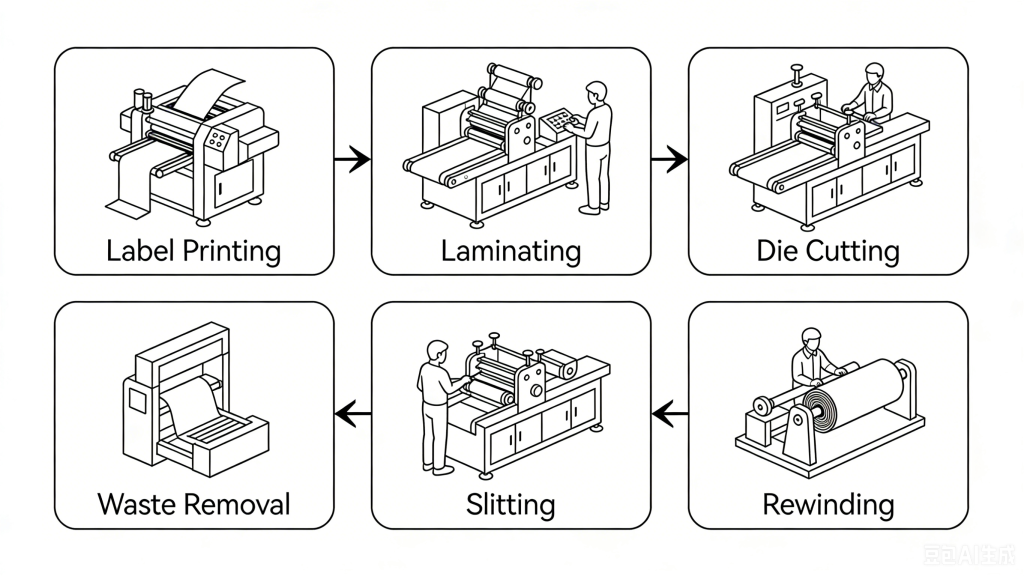
This is how most label shops have operated for years.
You print on a digital inkjet printer.
Then you laminate the labels on a separate machine.
Next, you die cut them on a third device.
Finally, you remove waste by hand.
This requires multiple operators, more floor space, and careful scheduling.
The all-in-one approach changes the game.
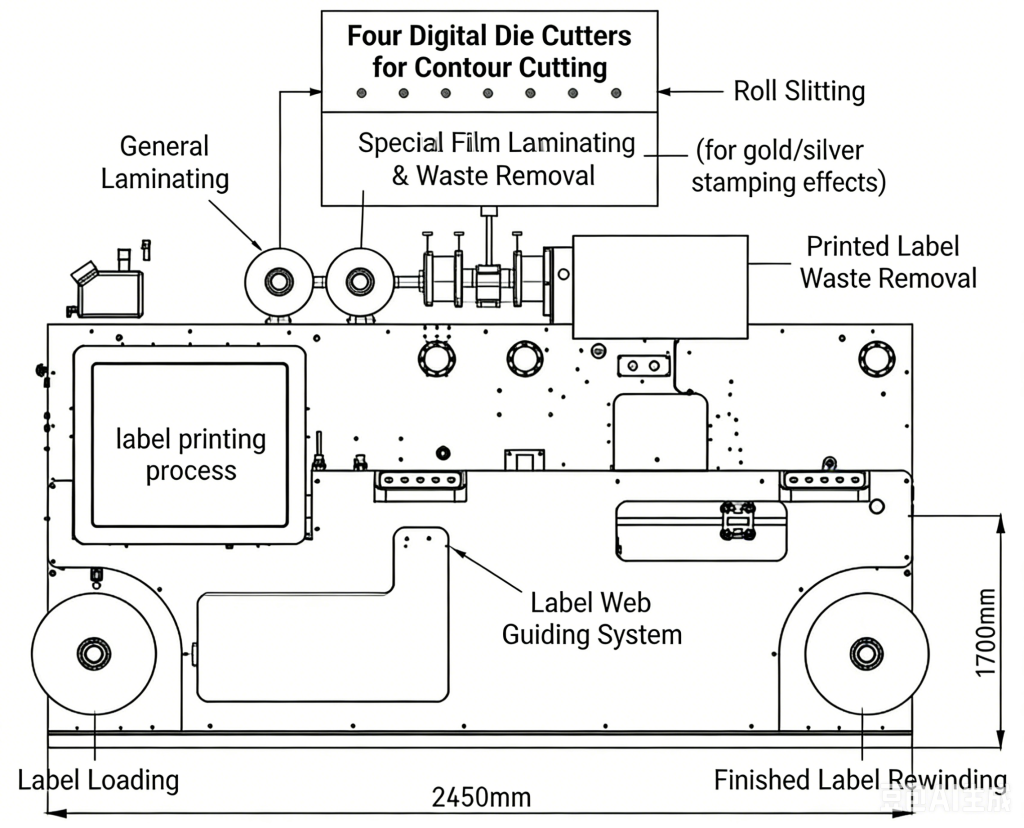
One machine handles printing, laminating, die cutting, and waste removal in one pass.
It only needs one operator and takes up much less space.
This is the core design of the Focusinc NEXUS-350J, built to streamline the entire process.
To make the difference clear, here’s a direct comparison of key factors:
| Factor | Multi-Step Workflow | All-in-One Workflow (NEXUS-350J) |
|---|---|---|
| Total Lead Time | 3–5 days (due to scheduling and handovers) | 1 day (one continuous run) |
| Labor Requirement | 2–3 operators per job | 1 operator per job |
| Material Waste | 5–8% (from misalignment and rework) | 1–2% (precision alignment) |
| Floor Space Needed | Large (3+ machines + workstations) | Compact (single integrated system) |
| Special Effects | Requires extra machines (foil stamping, varnish) | Built-in or optional add-ons (one pass) |
| Cost Per Label | Higher (labor + setup fees + waste) | Lower (fewer steps, less waste) |
This table shows the real impact on your business.
The multi-step workflow is slow, costly, and prone to errors.
The all-in-one workflow cuts lead times, reduces labor, and minimizes waste.
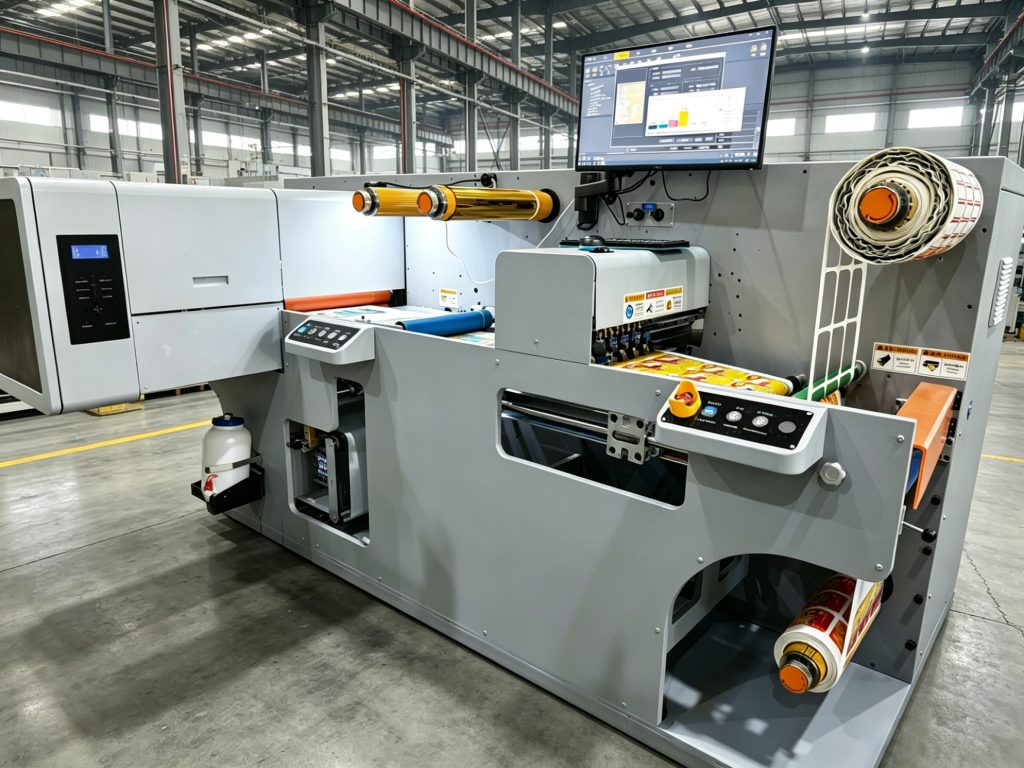
The biggest downside of the multi-step workflow is the hidden costs.
For example, you pay for labor at every step.
You also pay for setup time on each machine.
And you lose money on wasted materials from misalignment.
Over time, these small costs add up.
They can eat into your profit margin, especially on small or custom orders.
In contrast, the all-in-one workflow eliminates these extra costs.
There’s only one setup, one operator, and minimal waste.
As a result, you can take on more orders and keep more profit per job.
Today’s customers want fast turnaround and custom designs.
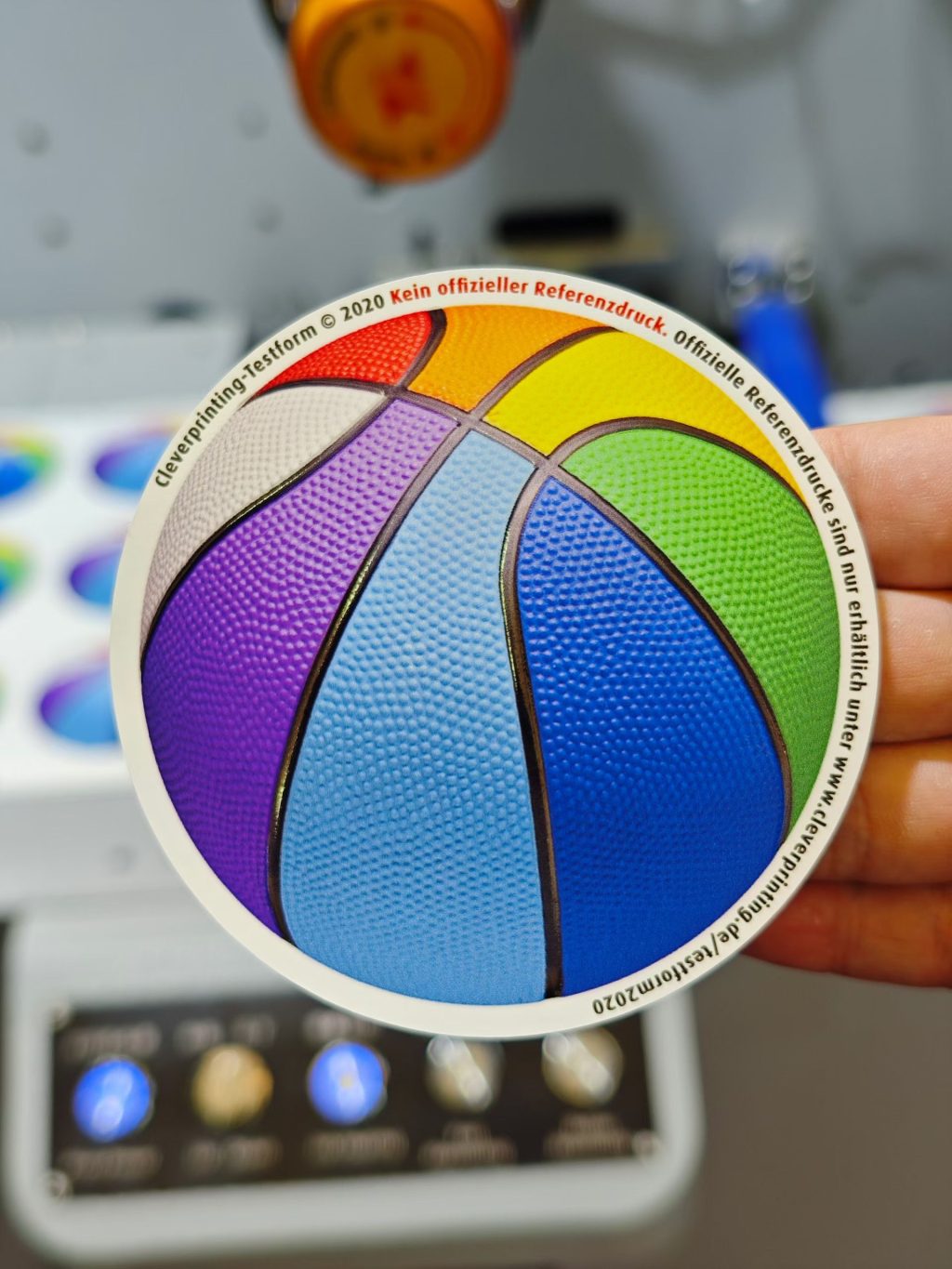
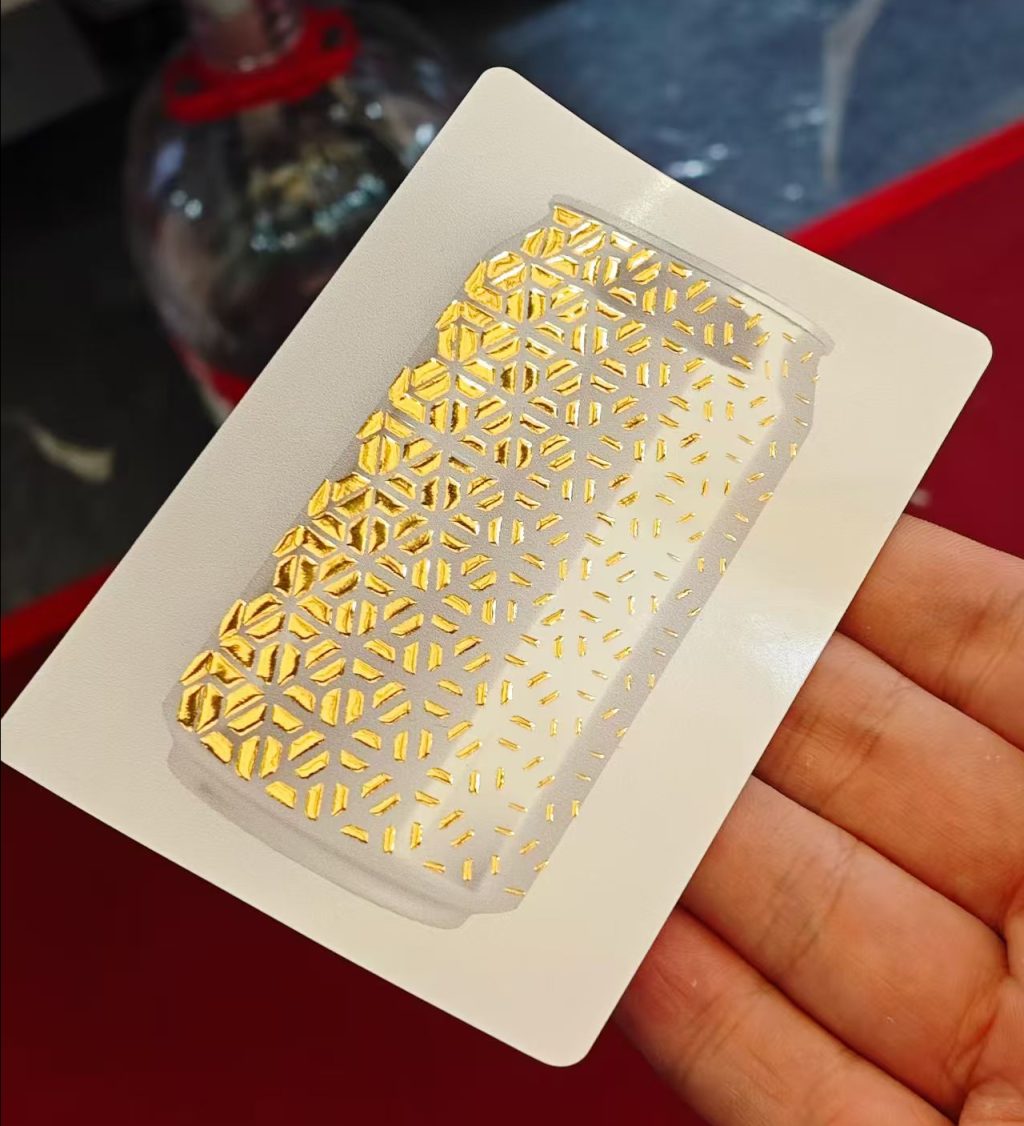
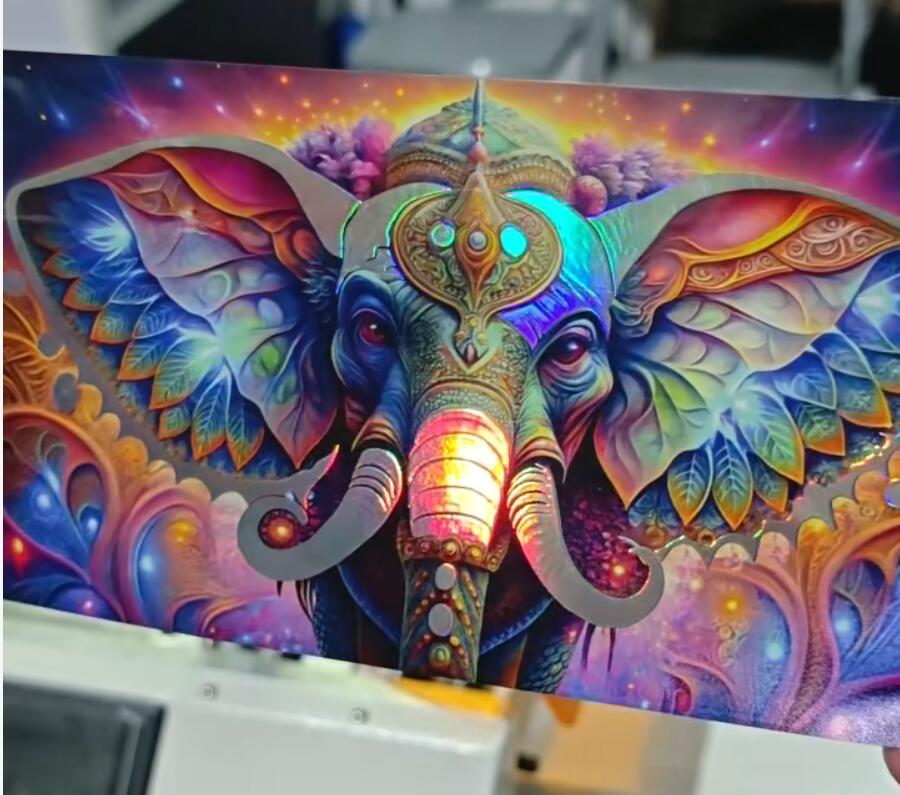
They also want premium finishes like gold foil or gradient effects.
The multi-step workflow struggles to meet these demands.
It’s too slow, too expensive, and too inflexible.
The all-in-one workflow solves these problems.
With the NEXUS-350J, you can add special effects like foil stamping or spot varnish in one pass.
You can also handle both short runs and large batches with ease.
This flexibility lets you take on more jobs and keep up with market trends.
The choice comes down to your business goals.
If you only do large, simple orders, the multi-step workflow might work.
But if you want to grow, compete, and keep costs low, the all-in-one workflow is the better choice.
It saves time, cuts labor, reduces waste, and unlocks new revenue streams with premium effects.
The Focusinc NEXUS-350J is designed to deliver all these benefits in one compact system.
If you want to see how it works in action, check out our full product introduction
To learn more about the print technology behind it, visit the Youtube Channel.
The multi-step workflow was the standard for years, but it’s no longer the best option.
The all-in-one workflow is faster, cheaper, and more flexible.
It’s the future of label production, and the NEXUS-350J is leading the way.
If you’re ready to stop juggling multiple machines and start streamlining your business, the all-in-one solution is here.
It’s not just a new machine—it’s a new way to run your label shop.
A1: An all-in-one machine finishes printing, laminating, die cutting and waste removal in one pass.Multi-step production needs separate machines and more manual work.
A2: Yes. It cuts labor, reduces material waste, and saves workshop space effectively.
A3: Definitely. It supports spot varnish, gradient special film and partial gold foil finishing.No extra equipment is needed for premium label effects.
A4: Yes. It works well for short-run custom labels and mass batch production alike.
A5: It shortens lead time from several days to just one day.Order turnaround becomes much faster.
A6: Only one operator is enough to run the full production process.Multi-step workflows require 2 to 3 workers.
A7: It provides high-precision die cutting with neat label edges.Misalignment and rework waste are greatly reduced.



Submit Request