
News List
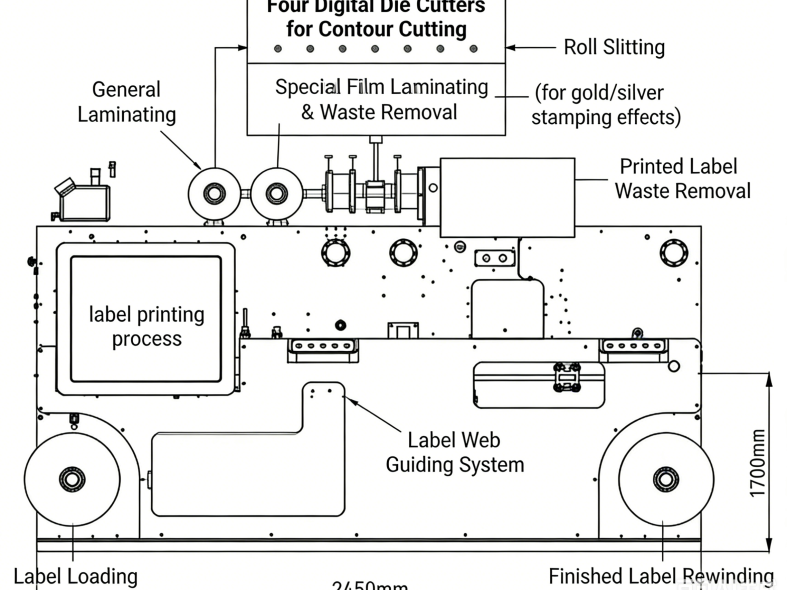
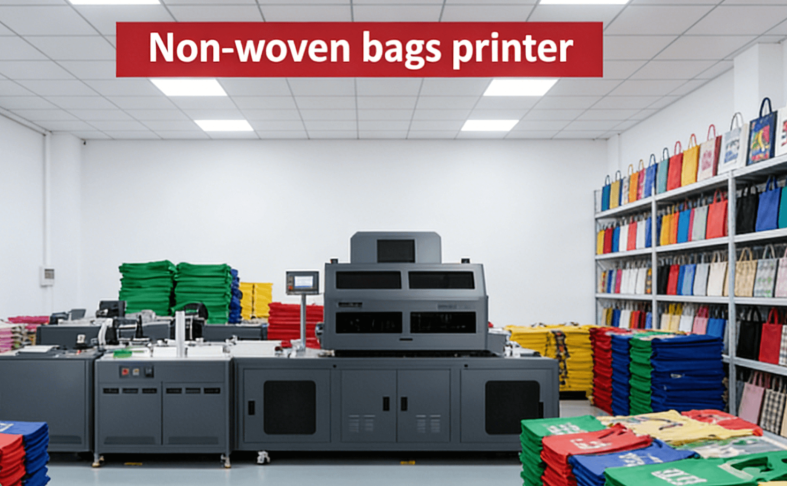
Traditional packaging factories used to rely heavily on plate-making and batch production. This mature mode worked well for fixed large orders in the past. However, modern market demands are changing rapidly. Customers prefer small batches, diverse designs and quick delivery. Digital printing has become the key to help old factories adapt to new market rules.
In traditional workshops, the whole process includes plate making, machine debugging and formal printing. Every step takes a lot of time and manpower. In contrast, digital single pass printing removes plate making completely. Operators only need to set digital files and start the machine directly.
This simplified workflow reduces manual intervention greatly. It also lowers the risk of errors caused by repeated debugging. For factories in Europe and Southeast Asia, this change directly shortens order delivery time by half.
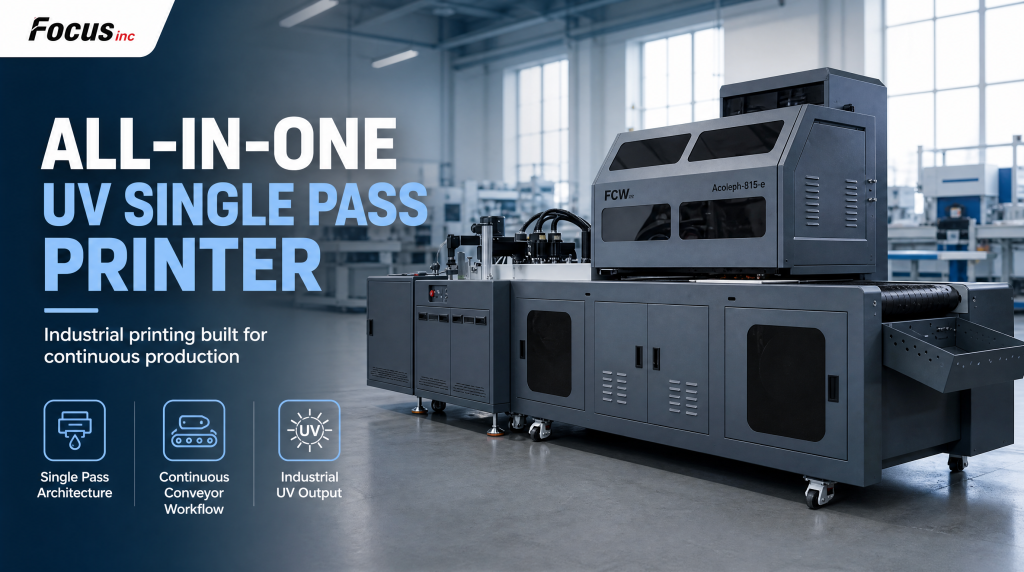
Labor cost and plate making cost are two major expenses for traditional printing. Digital printing cuts both costs obviously. It needs fewer operators for continuous production. It also eliminates repeated plate production for different orders.
Material waste is another big problem for old equipment. Single pass printing features high positioning accuracy. It reduces leftover materials during production and brings more profit to factories.
Traditional factories are limited by equipment. They can hardly take high-value customized orders. Digital single pass printing supports variable data and special printing effects. Factories can now accept personalized labels, gift packaging and anti-counterfeiting prints.
To sum up, digital printing is not just a device upgrade. It is a full transformation of operation ideas. It helps traditional packaging factories stay competitive in the global market.
View FocusInc. single pass printer solutions for factory transformation
Learn more about traditional manufacturing transformation from industry platforms
A: It simplifies production workflows and gets rid of complicated plate-making procedures.
A: Yes. It cuts labor cost, plate making cost and material waste effectively.
A: Factories can take small-batch custom orders, variable data printing and high-end packaging jobs.
A: Absolutely. It has flexible configurations to fit factories of different sizes.



Submit Request