
News List
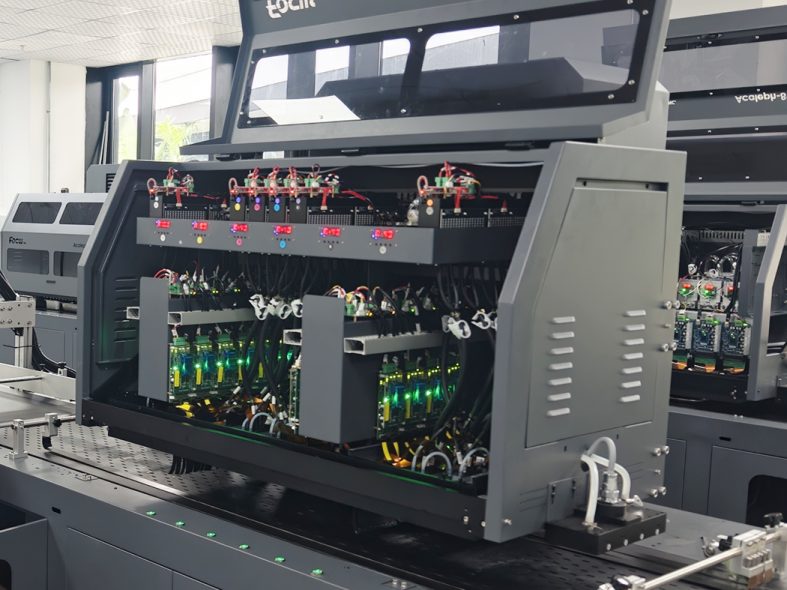
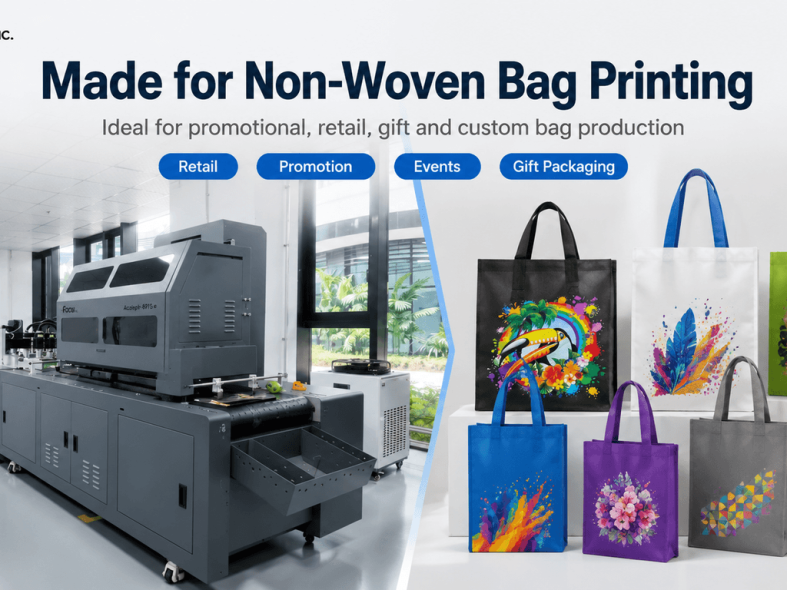
Investing in a new digital printing production line is a major decision for factory owners. Everyone cares about cost input, monthly income and investment return cycle. Compared with traditional printing modes, digital single pass printing has obvious advantages in comprehensive profit. We make a clear analysis for reference.
The main one-time investment is the purchase cost of single pass printer. Besides, factories need to prepare basic ink and auxiliary materials. The later daily operating costs include ink consumption, electricity fee and labor cost.
Digital printing removes plate making cost completely. This part of recurring expenditure is saved every month. Material waste rate is much lower than traditional equipment, which also cuts invisible losses.
Factories gain profits from printing orders. Single pass printing supports both large-batch bulk orders and high-margin custom orders. Custom packaging and variable data label orders have higher unit profit.
With higher production speed, the factory can finish more orders within the same time. More orders mean more total monthly income. Stable equipment ensures on-time delivery and stable customer sources.
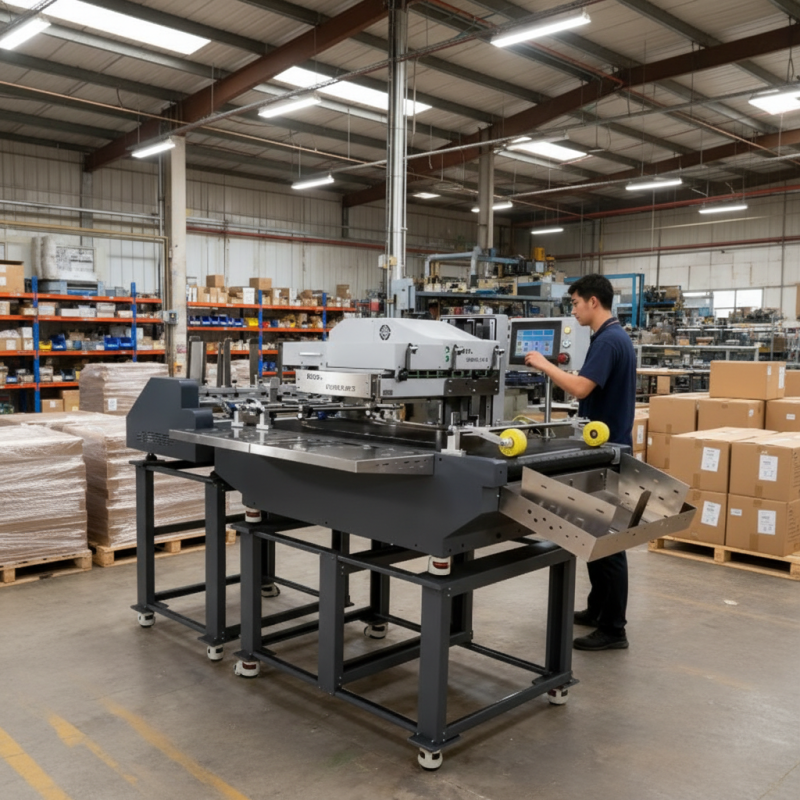
For medium-sized packaging factories with normal order volume, the comprehensive investment return cycle of single pass printing line is reasonable. Savings on labor, plate making and waste loss offset part of the investment quickly.
Factories that take many high-margin custom orders will shorten the return cycle further. Even for factories mainly doing bulk orders, the stable operation and low maintenance cost bring long-term steady benefits.
Investment in digital single pass printing is not only for current profit. It also upgrades production capacity and expands business scope. It brings sustainable development power for the factory in the long run.
[Internal Link]: Consult us for customized profit calculation solution
[Outbound Link]: View manufacturing industry ROI analysis from professional financial platforms
A: Main costs include equipment purchase, ink, electricity and labor fees.
A: It completely saves recurring plate making cost and reduces material waste.
A: Small-batch custom orders and variable data label orders have higher unit profit.
A: Yes. Its low failure rate ensures continuous production and steady income.



Submit Request